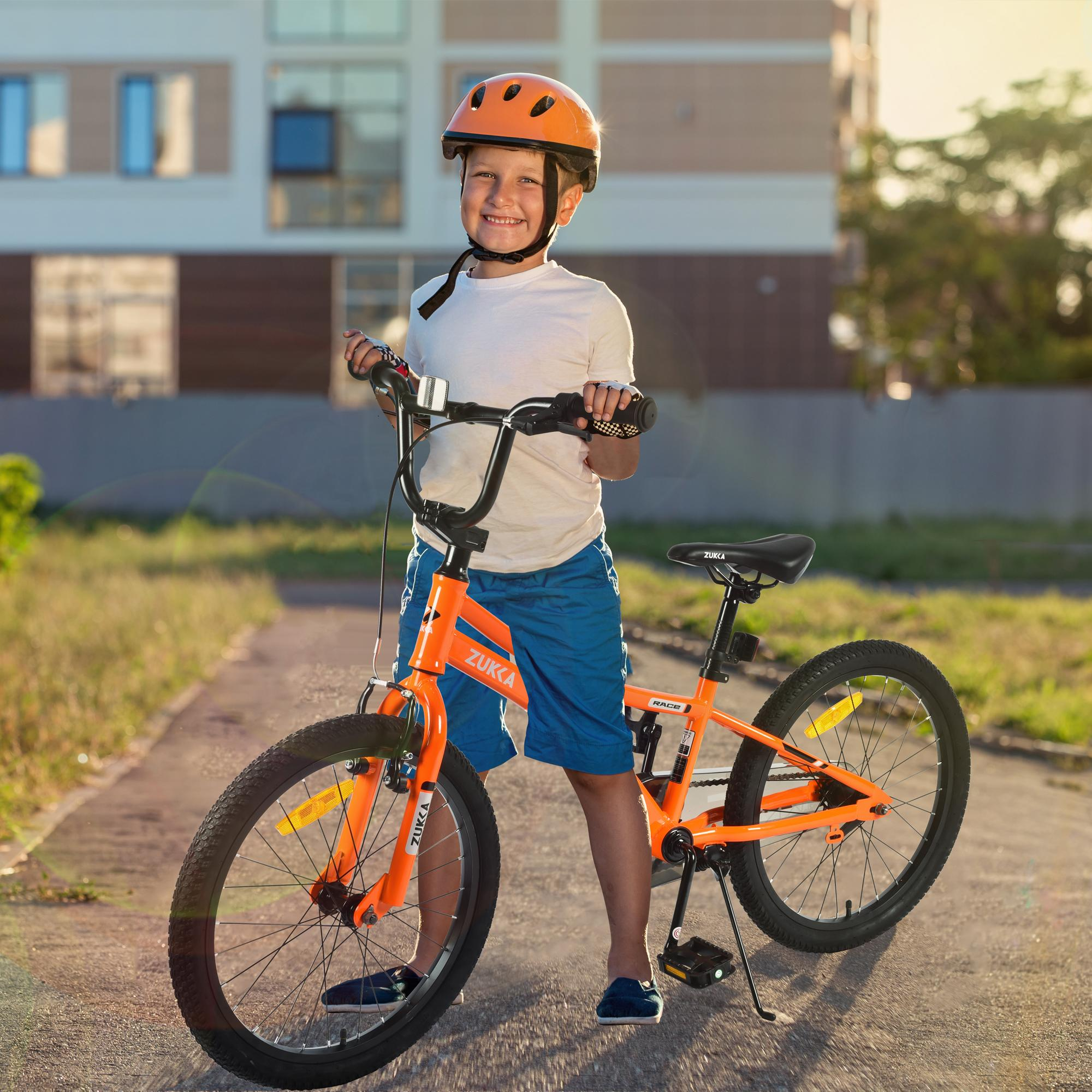
Why choose a single-speed bike? It’s all about simplicity, ease, and efficiency. These bikes skip the complicated gears and focus on what matters most: a lightweight design, minimal maintenance, and straightforward riding. Here’s why they stand out:
- Lightweight: Fewer parts mean less weight, making them easier to carry and maneuver.
- Low Maintenance: No derailleurs or shifters mean fewer repairs and less upkeep.
- Easy to Ride: Perfect for beginners, commuters, and anyone who wants a hassle-free ride.
Whether you need a reliable commuter bike, a fitness tool, or just a fun way to ride, single-speed bikes deliver a pure, no-fuss cycling experience. Want to know more? Let’s dive in.
Best Single Speed Bikes | Simple, Fast & Affordable!
How Single Speed Bikes Keep Things Simple
Single-speed bikes stand out for their straightforward, no-frills design. While many modern bikes come with intricate gear systems packed with multiple components, single-speed bikes strip things down to the essentials, offering a refreshingly simple alternative.
This simplicity creates a unique connection between you and the bike. With no gears to shift or complex mechanisms to maintain, the bike becomes an extension of your effort. Every pedal stroke translates directly into movement, making the ride feel intuitive and fuss-free.
Basic Drivetrain Setup
At the heart of a single-speed bike is its uncomplicated drivetrain. It consists of just three main components: a chain, a rear cog (sprocket), and a front chainring. Unlike multi-speed bikes, which rely on derailleurs, cassettes, and multiple chainrings, single-speed bikes eliminate these extra parts. Fewer components mean less maintenance and fewer chances of wear and tear.
One of the standout features of single-speed bikes is their straight chainline. The chain runs in a direct path from the front chainring to the rear cog, unlike the angled chainlines found on geared bikes. This direct alignment boosts efficiency and minimizes chain wear, making the drivetrain more durable and easier to maintain. With fewer moving parts, even basic repairs become quick and hassle-free.
Easy to Ride for Everyone
The simplicity of single-speed bikes isn’t just mechanical - it also makes them accessible for riders of all skill levels. Beginners can focus on mastering balance, steering, and braking without worrying about shifting gears or selecting the right one.
"Single speed riding is the easiest way to ride a bike." - Steed Bikes
For casual riders and urban commuters, this straightforward design means less thinking and more enjoying. Whether you're cycling to grab a coffee, cruising through the neighborhood, or weaving through city traffic, single-speed bikes let you hop on and pedal without distractions.
"People love single-speeders because they are the easiest and least maintenance bikes to ride." - Peace Bicycles
Another advantage is their lightweight build. Without the extra components of a geared system, single-speed bikes are easier to carry, whether you're hauling them up stairs, loading them onto a bike rack, or navigating tight spaces. Plus, their simple design holds up well in all kinds of weather, making them a reliable choice for daily commuters dealing with rain, snow, or salty roads.
Lightweight Design: Built for Efficiency
Single-speed bikes stand out for their noticeably lighter feel compared to multi-geared models. This weight advantage comes from their stripped-down design - no derailleurs, shifters, multiple chainrings, or cassettes. Simply put, there’s less to lug around.
"Without the extra weight of gears and derailleurs, single-speed bikes are lighter, leading to quicker acceleration and easier maneuverability." - Steed Bikes
For example, a State Bicycle Co. 55cm single-speed bike with a 4130 Chromoly steel frame weighs 21.8 pounds. Its 8-speed counterpart, by comparison, tips the scales at 22.6 pounds. That 12.8-ounce difference may seem small, but it’s noticeable when you’re carrying your bike up stairs or weaving through city streets.
Materials and Weight Savings
When it comes to single-speed bike frames, aluminum and steel are the two most common materials. Aluminum, with its lower density (2.7 g/cm³), produces lighter frames than steel (8.05 g/cm³). On average, aluminum bikes weigh 1–2 pounds less than their steel counterparts. For commuters who often lift their bikes onto public transit or up staircases, this difference can feel like a game-changer.
"Aluminum frames are stiffer than steel frames, resulting in a harsher ride. Track racers prefer rigidity when fractions of a second count. However, for getting to the store on city streets, steel provides a more forgiving ride. Steel is the most durable frame material." - Bradley Knight, Staff Writer
While aluminum frames excel in being lightweight, steel frames bring other advantages to the table. Steel is tougher, more durable, and doesn’t fatigue over time like aluminum might. It also absorbs road vibrations better, making for a smoother and more comfortable ride - an asset for long commutes or leisurely rides.
| Material | Weight | Durability | Comfort | Repairability | Cost |
|---|---|---|---|---|---|
| Aluminum | Lighter (1–2 lbs less) | Moderate | Stiffer ride | Requires specialized welding | Less expensive |
| Steel | Heavier | High | More comfortable | Easy to repair | Higher production cost |
These material differences directly influence how the bike performs in everyday scenarios, offering riders options based on their priorities - be it weight, comfort, or durability.
Benefits of a Lighter Bike
The lighter design of single-speed bikes delivers clear advantages for urban riders. Less weight means quicker acceleration, so the bike responds instantly with each pedal stroke. It also improves maneuverability, making it easier to navigate tight bike lanes, dodge obstacles, and make sharp turns. Plus, a lighter bike is easier to carry - whether you’re hauling it up stairs, onto public transit, or into a cramped storage space.
Another bonus? With fewer components in the drivetrain, there’s less drag and friction. This means your pedaling power translates more efficiently into forward motion, helping you arrive less tired - an especially welcome perk for daily commuters.
Low Maintenance: Save Time, Money, and Effort
One of the standout benefits of single-speed bikes is how little effort they require to maintain. Unlike multi-speed bikes with their derailleurs, shifters, cables, and intricate gear systems, single-speed bikes strip away the complexity, leaving you with a straightforward, hassle-free ride.
"With fewer moving parts, single-speed bikes require minimal maintenance compared to their multi-speed counterparts. This translates to less time in the workshop and more time on the road." – Steed Bikes
This simplicity appeals to riders who value a no-fuss approach to cycling. Cyclist Markus Stitz sums it up perfectly: "simplifies cycling and lets me focus on all things other than bikes. I like cycling as it gets me to places and connects me with people in a healthy and fun way. I don't like the complexity that has been introduced to it by loads of gears etc. Single speed riding is pure cycling".
Fewer Parts, Fewer Problems
With fewer components, there’s less that can go wrong. This means fewer repairs, lower replacement costs, and a bike that’s easier on both your wallet and your time.
The simplicity of single-speed bikes makes maintenance straightforward and stress-free.
Basic Maintenance Tips
Even the most low-maintenance bikes need a little care to keep them running smoothly. Before each ride, take a moment to:
- Check tire pressure.
- Remove debris from tires and frame.
- Ensure quick releases are secure.
- Spin the wheels to confirm they’re aligned.
Pay special attention to the chain. A clean, lubricated chain lasts longer and performs better. If the chain looks dry, apply a proper chain lube - not WD-40.
"Don't use WD40 on your chain!! WD-40 is made for doors and things that move sometimes, not bikes - which have lots of pressure and movement. In fact, WD40 will actually strip your chain of oil, causing metal-on-metal grinding. Rather: Use chain lube!" – Bicycle Habitat NYC
After applying lube, wipe off any excess to avoid attracting dirt.
Every 500 miles, give your bike a bit more attention. Wipe down the frame, check the spokes, tighten bolts, and inspect your brake pads for wear. Also, check your tires for cuts or punctures and adjust cables if needed.
Storing your bike properly can also save you from unnecessary maintenance. Keep it indoors to avoid rust and corrosion. If you’ve been riding in wet or muddy conditions, rinse the bike gently with a soft brush and mild cleaner to prevent grime buildup.
Finally, having a basic tool kit on hand can make a big difference. Essentials like a bike multi-tool, a 15mm wrench, and a chain breaker can help you fix minor issues quickly. For bikes with horizontal dropouts, maintaining proper chain tension (about half an inch of "jiggle") will keep your ride smooth and trouble-free.
sbb-itb-4ec432b
When Single Speed Bikes Work Best
Single-speed bikes might not fit every rider or situation, but they truly shine in specific scenarios. Their straightforward design and efficiency make them a fantastic choice when the riding environment plays to their strengths. Let’s dive into how they excel in urban commuting and fitness training.
City Commuting
Thanks to their simple design, single-speed bikes are perfect for flat urban landscapes. Their lightweight frame and nimbleness make them ideal for weaving through traffic or navigating tight spaces. Plus, they’re easy to carry onto public transit or up a flight of stairs. And let’s not forget the financial perks - bike commuters can save up to $3,000 a year compared to those who drive. On top of that, opting for a single-speed bike is a great way to cut down on your carbon footprint while also making your daily commute less stressful.
Experienced commuter Raymondo shares his thoughts on the joys of single-speed urban cycling:
"Commuted for years on a Single Speed and I could not recommend going single more highly. SS riding is 'pure' cycling, reduced to its core concepts: pedal, steer, brake. No complex decisions there. Maybe we should call it 'Simple' speed! There's a practical side too. Maintaining a hard-working commuter is much easier without gears and dérailleurs to worry about. Check the chain tension, keep it lubed and away you go! I don't commute any more, but I still use a single-speed for my urban jaunts, which keeps me young! Even ancient pedaleurs like me can look cool! Nice bikes btw. Keep up the good work." – Raymondo
Single-speed bikes are also built tough, making them a solid choice for handling the challenges of city streets - whether it’s potholes, curbs, or unpredictable weather.
Fitness and Skill Development
Single-speed bikes aren’t just great for getting around - they’re also excellent tools for improving fitness and cycling skills. Since you don’t have gears to fall back on, riding a single-speed naturally incorporates interval training. You’ll push hard on inclines and coast a bit on flat stretches. This style of riding helps you fine-tune techniques like reading terrain, adjusting your body position, and maintaining an efficient cadence of 60–80 RPM.
As KnutSkywalker humorously puts it:
"You don't have to worry about being in the wrong gear because you are always in the wrong gear. :)"
This constant challenge keeps you engaged, sharpening your awareness of both your bike and your surroundings.
Another benefit? The single-speed drivetrain is incredibly efficient. With no derailleur stages to navigate, there’s less chain twist and reduced friction, meaning more of your energy goes directly into powering the bike forward.
How to Pick the Right Single Speed Bike
Selecting the perfect single-speed bike comes down to understanding your needs and focusing on the features that matter most to you. With fewer components to deal with, the process is simpler than choosing a geared bike, but it’s still worth taking the time to do your research.
Important Features to Consider
Frame Material. The material of the frame plays a significant role in both ride quality and performance. Steel frames are known for their durability and timeless look, while aluminum frames are lighter and offer quicker responsiveness, especially when accelerating or climbing hills.
Sizing and Fit. A proper fit is essential for comfort and efficiency. Make sure the frame size and geometry align with your height and inseam. Sizing charts can be a helpful guide.
Gear Ratio. The gear ratio determines how much effort you’ll need to pedal. A common setup, like a 44/16 ratio (2:1), works well for most riders . If you’re riding on hilly terrain, a lower gear ratio can make climbing easier, while a higher ratio is better for speed on flat roads.
Chain Tension. Look for bikes with horizontal dropouts or an eccentric bottom bracket. These features make it easier to adjust the chain tension, which is crucial for maintaining smooth performance.
Components. High-quality brakes and comfortable, ergonomic components enhance both safety and the overall riding experience.
Once you’ve identified these key features, you’re ready to explore options like ZUKKA’s range of single-speed bikes, designed to suit various riding styles and budgets.
ZUKKA's Single Speed Options
ZUKKA offers a variety of single-speed models tailored to different preferences. Their flagship model, the ZUKKA Retro Style 700C Single Speed Road Bike, is priced at $256.00. This bike combines a sturdy steel frame with a sleek, classic design. It’s ideal for riders between 5'3" and 5'8", features an adjustable seat height (33.07 to 38.52 inches), weighs 28.66 lbs, and supports up to 220 lbs. Plus, it arrives 85% pre-assembled, making setup a breeze.
What makes the Retro Style stand out is its versatility. Its durable steel frame handles urban streets, park trails, and neighborhood paths with ease. The simple single-speed system, paired with double caliper brakes, ensures smooth and reliable stopping power.
Here’s what real riders have to say:
In December 2024, Elena Foster shared:
"Just got my ZUKKA Retro Style and I'm smitten! The 700C frame gives it a classic look with modern performance. Riding around town, it's the perfect blend of style and speed. Loving every moment on this bike!"
Olivia Wu, a verified buyer in November 2024, added:
"The ZUKKA Retro Style is a game-changer. Its single-speed design keeps things simple, but it's incredibly efficient. The 700C wheels roll smoothly, and the retro look is just the cherry on top. Highly recommend it for any adult looking to add some flair to their commute."
For those on a tighter budget, ZUKKA offers the Hybrid Bike Double Brake 700C Single Speed for $211.00. If you’re more into off-road adventures, the 26 inch Mountain Bike Single Speed is available for $278.00.
Single-speed bikes are generally more affordable than geared alternatives, with most models costing well under $1,000. Unless you’re eyeing a high-end track bike, it’s rare to find one exceeding this price point.
Conclusion: The Appeal of Single-Speed Bikes
Single-speed bikes offer a blend of simplicity, lightweight design, and dependability. These qualities not only make riding more straightforward but also bring practical perks when it comes to cost and day-to-day use.
Thanks to their lightweight build, these bikes are easy to maneuver through busy city streets and simple to carry when needed. Their straightforward design creates a direct connection between you and the road, delivering a cycling experience that feels refreshingly uncomplicated.
When it comes to affordability, single-speed bikes stand out. A solid model typically costs between $350 and $600, and with fewer components to upgrade or maintain, they save you money in the long run.
These bikes are ideal for flat urban settings, short commutes, and for those who prioritize efficiency over unnecessary complexity. Whether you’re a commuter seeking a no-fuss ride or someone who enjoys the pure essence of cycling, ZUKKA’s collection of single-speed bikes has options tailored to your needs and budget.
FAQs
What makes single-speed bikes a better choice for some riders compared to multi-speed bikes?
Single-speed bikes come with a handful of perks that make them a solid pick for many cyclists. One standout feature is their low-maintenance setup. With fewer moving parts - no derailleurs or complex gear systems - you’ll spend less time dealing with repairs or routine upkeep. This streamlined design also makes them lighter, which means they’re easier to handle and quicker to get moving.
Another big plus is their straightforward nature. Without the need to shift gears, riding becomes a no-fuss experience, ideal for casual riders or city commuters who want a simple, stress-free way to get around. On top of that, single-speed bikes tend to be easier on the wallet. Their minimalist design keeps costs down, making them an excellent choice for anyone seeking a practical, lightweight, and budget-conscious ride.
How can I choose the best gear ratio for my single-speed bike based on where I ride?
Choosing the right gear ratio for your single-speed bike depends on where you ride and how fit you are. If you’re tackling hills, a lower gear ratio (like 2.5:1 to 3:1) makes climbing much easier by reducing the effort needed for each pedal stroke. On the flip side, a higher gear ratio (3.5:1 or more) is ideal for flat roads or downhill rides, letting you pick up speed with fewer rotations.
For city commuting, a popular choice is a 44:16 ratio, which strikes a nice balance between easy pedaling and maintaining good speed on level ground. Not sure what works best? Try experimenting with different setups to find what feels most efficient and comfortable for your terrain and riding style. Even small changes to your gear ratio can noticeably improve your ride and overall experience.
What are some simple maintenance tips to keep my single-speed bike in great shape?
To keep your single-speed bike in great shape and performing smoothly, here are some practical maintenance tips:
- Keep it clean and dry: Regularly wipe down your bike to remove dirt and moisture, especially after riding in the rain. This helps prevent rust and grime from building up.
- Lubricate the chain often: Apply lubricant every 100 miles or after riding in wet conditions. This keeps the chain moving smoothly and reduces wear.
- Monitor tire pressure: Check your tires and inflate them to the recommended pressure. Properly inflated tires make your ride more efficient and comfortable.
- Inspect the brakes: Make sure your brakes are functioning well. Replace brake pads if they’re worn down to ensure safe stopping power.
- Secure bolts and components: Periodically tighten bolts and other parts to keep your bike stable and safe to ride.
- Protect it from the elements: Store your bike indoors when possible or use a cover to shield it from harsh weather.
By staying on top of these simple tasks, you’ll enjoy a smoother ride and keep your bike running for the long haul.